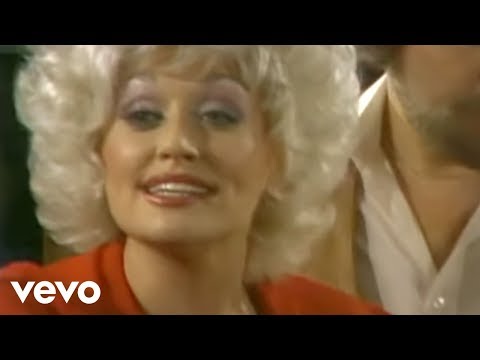
The Paradox of Productivity: Dolly's Working-Class Anthem
Dolly Parton's signature hit delivers a scathing critique of American labor economics wrapped in an irresistibly upbeat package. At its core, the song dissects the fundamental imbalance of power between employer and employee, articulating what Marx might have called wage slavery with the accessibility of a country-pop earworm. Parton communicates a brutal truth: the mythology of meritocracy crumbles when confronted with systemic barriers that keep workers perpetually scrambling. The promise of upward mobility becomes a carrot dangled just out of reach, and the daily grind isn't building toward anything—it's simply extraction. This isn't merely complaint; it's diagnosis of a rigged system where devotion and service yield neither recognition nor advancement, only the privilege of returning tomorrow to repeat the cycle.
The emotional landscape Parton navigates is surprisingly complex for what sounds like a bouncy, toe-tapping number. There's exhaustion, certainly, but also simmering resentment, dark humor, and defiant solidarity. The genius lies in how she channels frustration without descending into despair—the song acknowledges the soul-crushing monotony while refusing to surrender hope entirely. That tension between resignation and resistance creates powerful resonance, particularly for listeners who recognize their own compromised positions. The almost manic energy of the music mirrors the frantic morning rush, while the lyrics reveal the emotional toll of maintaining that pace indefinitely. It's both rallying cry and therapeutic venting session, allowing workers to acknowledge their situation without being consumed by bitterness.
Parton employs deceptively simple literary devices that pack considerable punch. The central metaphor of the ladder reduces human beings to instrumental rungs, disposable stepping stones for someone else's ascent. The dreamscape imagery—ships coming in, tides turning—represents postponed happiness, the perpetual "someday" that keeps workers compliant despite present misery. Most clever is her personification of ambition itself as something poured from a cup, suggesting that even personal drive has been commodified, transformed into fuel for corporate machinery. The boss becomes almost a mythological antagonist, simultaneously everywhere and nowhere, a systemic force rather than simply an individual villain. This symbolic framework elevates the song beyond personal grievance into social commentary.
The universal experience Parton taps into is the fundamental disconnect between labor and reward that defines modern capitalism. Whether in 1980 or today, workers across industries recognize the sensation of being trapped in structures that demand everything while offering minimal returns. The song captures the particular indignity of being simultaneously essential and disposable—necessary enough to exploit, but not valuable enough to compensate fairly or promote. It speaks to the class solidarity Parton references, the shared boat of collective struggle, while also acknowledging the isolating nature of individual striving within a competitive framework. The temporal specificity of nine-to-five has expanded metaphorically to encompass gig workers, remote employees, and anyone caught in the productivity trap, making the song's critique remarkably durable.
The enduring resonance stems partly from Parton's refusal to offer false solutions or saccharine uplift. She doesn't promise revolution or transformation, only acknowledgment and solidarity. That honesty feels radical in itself—permission to name the problem without pressure to fix it immediately. The infectious melody creates cognitive dissonance with the critical lyrics, perhaps reflecting how workers maintain cheerful facades while harboring deeper grievances. Audiences connect because Parton validates their lived experience without condescension or romanticization, treating working-class struggle as worthy of serious artistic attention. In an era of increasing economic precarity and awareness of systemic inequities, the song feels less like a period piece than an ongoing documentary of everyday exploitation dressed up as opportunity.